
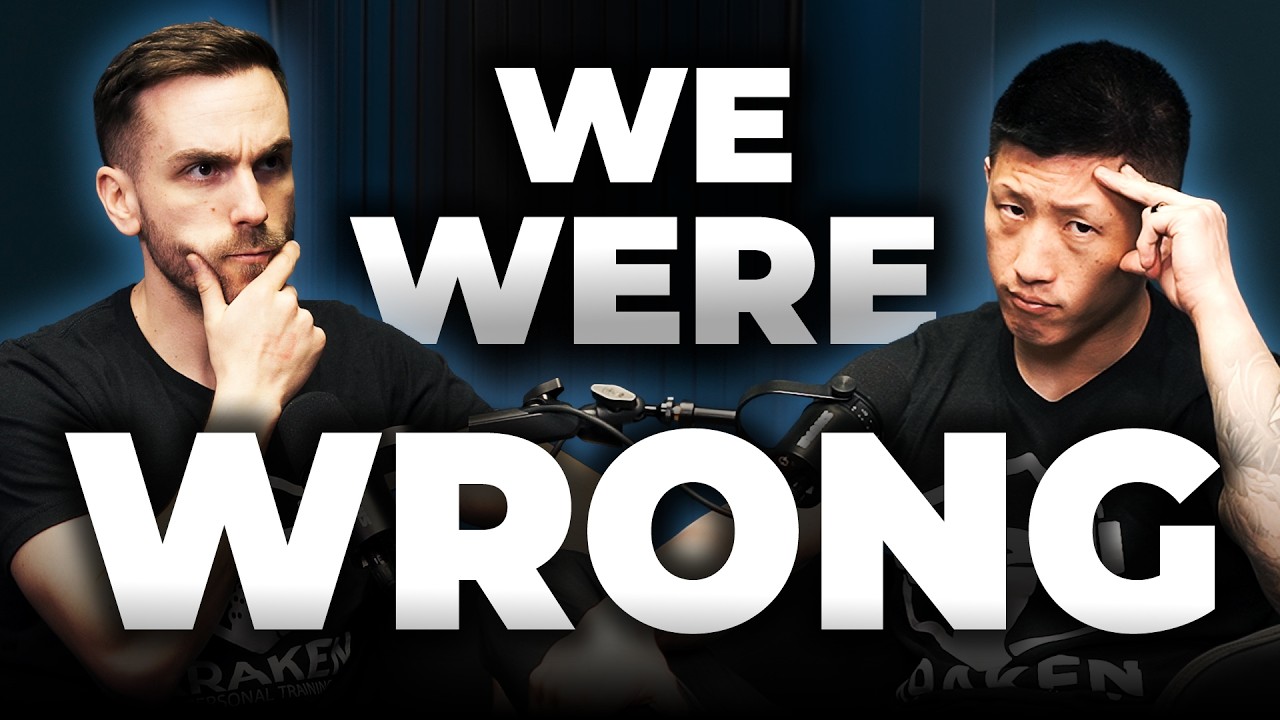
Ten years into coaching people in North Burnaby, Josko and Brandon have changed their minds about a lot of things. Not because they got soft. Because they got results, and the results kept telling them the same thing: the client wasn’t the problem, the plan was. In this episode of the Kraken Power Podcast, they walk through the coaching mistakes they used to make, the moment they realized what was actually going on, and what they do differently now.
Stop Blaming Clients When They Don’t Follow the Plan
For years, Josko’s default reaction to a client not getting results was to check the boxes: did they do the workouts, did they hit the steps, did they follow the plan. If the answer was no, that was the whole explanation. The client just wasn’t willing to put in the work.
That framing let him off the hook, and it was wrong. A guy with two kids and a full-time job doesn’t need four workouts pushing him to his limit with a 10,000-step day tacked on for Saturday, the one day he’s actually free to be with his family. He needs a plan built for the life he already has, not the plan a textbook says should work. Getting frustrated at someone for not following instructions they were never going to be able to follow isn’t coaching. It’s a trainer protecting their own ego.
The fix Kraken’s trainers use now is small, weekly improvement instead of a perfect program handed down on day one. Bump average daily steps from 2,000 to 2,500. Nothing dramatic, nothing that feels like a real change in the moment. Ten weeks later, that person is walking triple what they started with and barely notices it happened. That’s the whole model: a client who actually does a mediocre plan beats a client who quits a great one in week two.
Why Complicated Programs Fail (Even Good Ones)
A complicated program isn’t automatically a better program. For a long time, Kraken’s coaches believed complexity was the same thing as effectiveness, more variables, more precision, more sophistication. It looks impressive on paper. It’s also a lot harder to actually stick to.
That belief cost results, not because the programming was bad, but because a plan nobody can follow consistently doesn’t matter how well it’s built. A strict meal plan, six gym sessions a week, exercises pulled straight from a certification textbook, none of it produces anything if the person can’t sustain it past the first two weeks. Consistency beats sophistication every time, because the body responds to what actually gets done, not what got written down.
This is also where the trainer’s-ego problem shows up again. Every coach wants the story where the client follows everything perfectly and loses 100 pounds. That client exists, but they’re the 10 to 20 percent, not the norm. The other 80 percent need a program that fits around their actual life in North Burnaby, not one that assumes unlimited time, energy, and motivation. Building for the 80 percent instead of chasing the highlight-reel client is the difference between a program that looks good and one that works.
You Don’t Have to Track Calories to Get Results
Calorie tracking used to be treated as mandatory at Kraken, something every client needed to do to see results, no exceptions. That’s no longer the case, and it wasn’t necessary for most people even back then.
Tracking calories can work, and it’s a useful tool for specific goals like competitive bodybuilding. But telling every client they have to log every meal to make progress is an unnecessary barrier for most of them. Plenty of people get leaner and stay leaner without ever opening a tracking app, once the bigger levers, sleep, stress, movement, and consistent protein, are actually in place. Today, more than 60 percent of Kraken’s clients don’t track calories at all and still get coached through their nutrition successfully.
Pushing tracking on everyone as the only path to results is closer to a copout than good coaching. It’s an easy instruction to hand someone, but it ignores that meal prepping four hours every Sunday and eating the same five meals all week is miserable for most people and rarely lasts. For roughly 90 percent of clients, it’s simply not the right tool, and there are simpler ways to get the same outcome.
Food Isn’t the First Domino, Stress and Sleep Are
Food matters, but it’s downstream of stress, cortisol, sleep, and movement, not the starting point. Coaching that leads with “just fix your diet” skips over the things that make following any diet possible in the first place.
Kraken’s trainers used to focus almost entirely on food because it’s the most visible lever and the one everyone expects a trainer to talk about. But a client running on five hours of sleep and constant work stress is fighting their own biology before they’ve even opened the fridge. Get those upstream pieces working, and sticking to a nutrition plan gets dramatically easier. Skip them, and no amount of meal planning fixes what’s actually going on.
This ties back to the bigger lesson: fitness has to be looked at as a whole picture, not a checklist. Checking off “did cardio” and “ate clean” doesn’t mean much if stress and sleep are working against both of those boxes the entire time. Weight loss and fitness results come from how all the pieces fit together, not from any single piece done perfectly in isolation.
Meeting Clients Where They Actually Are
The single biggest shift in how Kraken coaches now is meeting people at their actual level instead of the level a certification program says they should be at. That means smaller asks, more realistic expectations, and letting sustainable beat impressive.
This mindset shift came from repeatedly watching well-designed plans fail for reasons that had nothing to do with the plan’s quality. The client wasn’t lazy or unmotivated. The plan just didn’t match their real life, their stress load, or their schedule. Once Kraken’s coaches started building around the person instead of the textbook, adherence went up and results followed, because results were never really about having the most technically correct program.
None of this means the standards have dropped. It means the standard changed from “did they follow the perfect plan” to “did they make progress they could actually sustain.” A trainer who’s still doing everything the exact same way they did it ten years ago probably isn’t paying attention to what’s actually working for the people in front of them.
FAQ
Why do some clients not follow their training program?
Most clients who fall off a program aren’t lacking willpower, they have a plan that doesn’t fit their real schedule, stress load, or energy levels. A program built for a 25-year-old with unlimited time rarely works for someone juggling a full-time job and kids.
Do I need to track calories to lose weight?
No. Calorie tracking is one tool, not a requirement. More than 60 percent of Kraken’s clients get results without tracking a single meal by focusing on sleep, stress, movement, and consistent protein instead.
Why does a simple workout plan sometimes work better than a complex one?
A simple plan gets followed consistently, and consistency drives results more than program sophistication does. A complicated program that gets abandoned after two weeks produces nothing, no matter how well it was designed.
What should I actually focus on before worrying about my diet?
Sleep, stress, and daily movement come first. They’re the things that make following a nutrition plan realistic in the first place, which is why Kraken’s coaches address them before overhauling anyone’s food.
Ready to Start?
If you’ve tried the picture-perfect plan before and it didn’t stick, that’s not a willpower problem, it’s the wrong plan. Kraken Fitness in North Burnaby builds around your actual life, not a textbook version of it. Come try a week and meet a coach who’ll meet you where you’re at.
Listen and Watch
Watch this episode on YouTube:
Listen on Spotify: