
A lot of parents say they’d die for their kids but won’t live healthy for them. At Kraken Fitness in North Burnaby, near Brentwood, coaches Josko and Brandon — both parents themselves — see the difference between families who treat fitness as a schedule item and families who live it. The kids who excel at swimming, sports, and physical activity almost always have parents who are in the water with them, on the mat with them, or stretching in the living room beside them.
Watch: Family Fitness
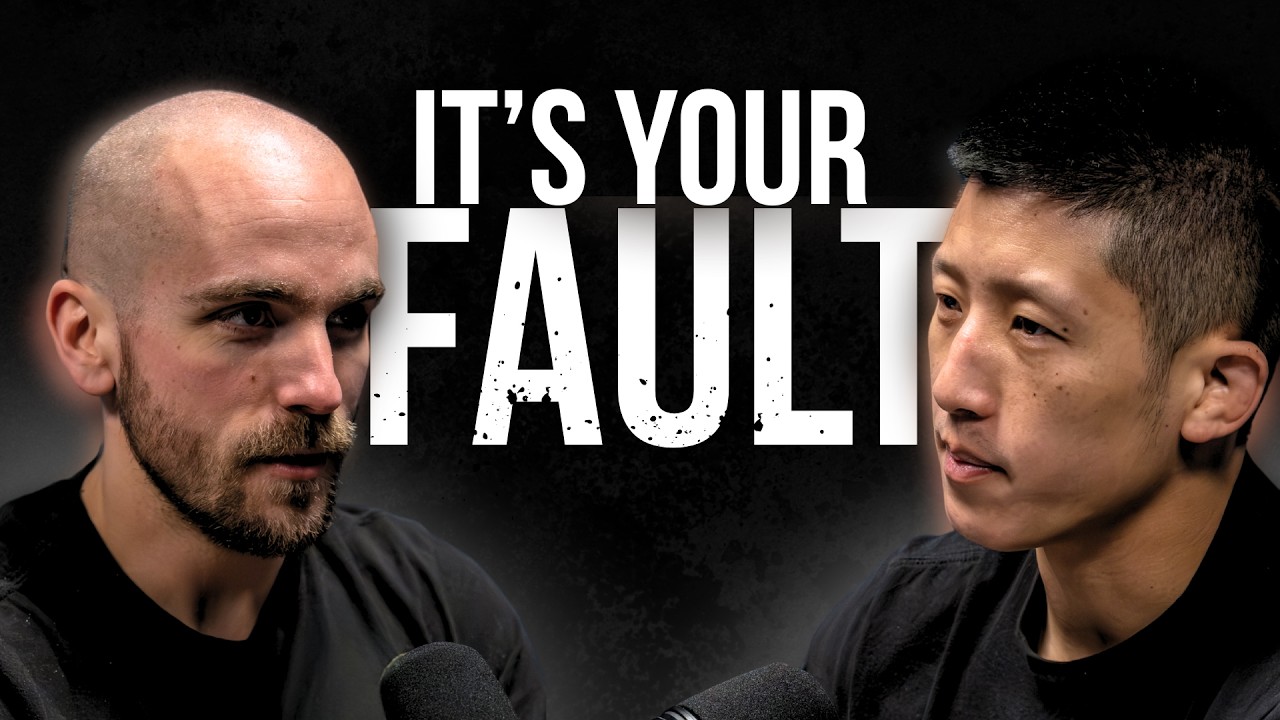
In this episode of the Kraken Power Podcast, Josko and Brandon discuss building a fitness culture in your family — why modeling beats mandating, how to start small, and why exercise should never be punishment.
The Lifeguard Lesson: Engaged Parents Make Better Swimmers
Josko and Brandon both grew up as lifeguards, teaching kids to swim. That experience gave them a front-row seat to one pattern that repeated itself constantly: the kids who excelled at swimming had engaged parents, and the kids who struggled had parents sitting on the bleachers scrolling their phones.
One of Brandon’s students was having a harder time learning to swim. She missed a week of lessons. When she came back, she could swim. What happened? Her family went to Hawaii, and the parents were in the pool with the kids every day. The environment did what the swimming lessons couldn’t — because her parents were actively participating, not just dropping her off.
Josko sees the same pattern at jiu-jitsu schools. The kids who excel often have parents who started training jiu-jitsu too. Not because the parents are great at it — some are white belts while their kids are nearly blue belts — but because after class, they go home and practice the moves together on mats in the living room. The practice sessions aren’t forced. The kids want to do them because they see their parents doing it.
This isn’t about being a helicopter parent. Josko gets it — 30 minutes of swim lessons is also 30 minutes of peace for a parent who’s been in decision-fatigue mode all day. But the data from years of lifeguarding is clear: participation beats observation.
Model It, Don’t Mandate It
Parents who put their kids in soccer, jiu-jitsu, and dance classes but don’t do any physical activity themselves are sending a mixed message. The kids see that fitness is something you do when you’re young and stop when you’re an adult.
Josko’s friend growing up was incredible at soccer. Why? Because his dad took him to the pitch every single day and they practiced juggling, shooting, and passing together. The dad wasn’t even good at soccer. He was just there. That presence and participation made the difference.
At Kraken Fitness in Burnaby, the coaching team works with parents who are trying to get back into fitness after years of prioritizing their kids’ activities over their own health. The irony: the best thing those parents can do for their kids’ fitness is to get fit themselves.
Josko is already implementing this with his own kids, who are four years old. The family does evening stretching sessions in the living room — Josko does his mobility work, his wife does hers, and the kids just kind of do whatever they want alongside them. They’re barely paying attention. But they see dad stretching. They know it’s a thing that happens at this time. That’s the seed.
Could Josko get a more effective stretch in a room by himself? Sure. But the point isn’t the stretch. The point is the modeling.
Never Use Exercise as Punishment
Some parents make their kids do pushups when they misbehave. “Hit your sister? Ten pushups right now.” That approach turns exercise into a negative association — something that happens when you do something wrong.
Brandon sees this play out in martial arts. The traditional wrestling culture built fitness as punishment — do something wrong, run laps, do burpees. Compare that to the jiu-jitsu schools in the Burnaby area where there’s no punishment framework. Kids make mistakes, learn from them, and try again. The drilling isn’t forced. Nobody’s running laps as punishment.
The result: kids in those jiu-jitsu programs actually want to drill. They’ll do the same move a thousand times voluntarily because nobody turned that repetition into a punishment. They do it because they want to get better, not because someone is making them.
That’s the culture to build at home. Movement should be associated with fun, family time, and self-improvement — not consequences for bad behavior.
Simple Things Families Can Start Today
You don’t need a garage gym or a structured program to build a family fitness culture. Kraken’s coaches recommend starting with the simplest possible actions:
Family walks after dinner. This is Josko’s number one recommendation. It’s free, it’s easy, it requires zero equipment, and it includes everyone. Walk around the block. Look at trees. Hold the kids’ hands. Brandon does the same thing with his daughter — he literally just grabs her, walks around the block, and comes back. Progressive overload built in: she gets heavier every week.
Evening stretching as a family. Josko’s family dims the lights, and everyone stretches or does mobility work in the living room. The kids don’t follow a program. They just see their parents on the floor moving and they participate however they want.
Talk about food. Josko already talks about healthy vs. unhealthy foods with his four-year-olds. “Can I have a chocolate?” “No, that’s unhealthy.” Do they fully understand? Not yet. But he’s caught his daughter Sophia telling Amelia: “No, that’s unhealthy.” The language is sinking in.
Be in the activity with them. If your kid does swimming, get in the pool with them sometimes. If they do jiu-jitsu, try a class yourself. If they play soccer, kick the ball around in the backyard. You don’t have to be good at it. You just have to be present and active.
The key insight: none of these things are extreme. They don’t require an hour or special equipment. They’re just small behaviors that, over time, build a household where fitness is normal — not a scheduled activity that gets inserted into the calendar and resented.
Fitness Should Be Lived, Not Scheduled
Josko’s closing philosophy: fitness should be something your family lives, not just a line item on the weekly schedule. Not “soccer practice at 3 PM” or “dance class at 4 PM” or forcing kids to eat foods they hate. It should be a lifestyle — stretching together, walking as a family, eating protein-rich foods that everyone actually enjoys, and being active because that’s what the family does.
This doesn’t mean you need to go from zero to training every day as a family. Start small. A walk after dinner. Some stretches in the living room. Talking about food choices in a way that’s educational, not punishing.
And don’t feel guilty if you’re not at the extreme end. Brandon’s jiu-jitsu coach Jason Gagnon works out in his garage at 4 AM, and his kid Deacon does burpees and box jumps alongside him because he associates exercise with something his dad loves. That’s one end of the spectrum. The other end is just going for a 10-minute walk together. Both work.
The pattern is the same: kids follow what they see, not what they’re told. If they see you sitting on the couch, that’s what they’ll do. If they see you moving, stretching, and choosing healthy food, they’ll grow up thinking that’s just what people do. And that’s the whole point.
FAQ
How do I get my kids interested in fitness?
Don’t try to get them interested — model it yourself. Kids follow what they see their parents doing. At Kraken Fitness in Burnaby, coaches see the same pattern: kids who are active have parents who are active. Start with family walks, evening stretching, or trying your child’s sport alongside them.
What’s the best age to start teaching kids about fitness?
You can start modeling fitness behaviors as soon as your kids can observe you. Josko started evening stretching routines and food conversations with his four-year-olds. The kids don’t need to “understand” fitness. They just need to see it as a normal part of daily life.
Should I use exercise as punishment for my kids?
No. Using pushups or running as punishment creates a negative association with physical activity. Instead, build exercise into family routines as something positive and enjoyable. Kids who voluntarily drill jiu-jitsu moves a thousand times do it because nobody turned it into punishment.
What if I’m not fit myself?
That’s the perfect place to start. Your kids don’t need you to be an athlete. They need to see you trying. Brandon’s friend’s dad wasn’t good at soccer — he just showed up to the pitch every day. Start with a walk, some stretches, or one gym session per week. Your effort is the model.
How do I build a fitness culture without being extreme?
Start with one simple habit: a family walk after dinner, stretching in the living room, or talking about food choices at meals. Don’t overhaul everything at once. Small, consistent behaviors create culture over time. The goal is to make movement feel normal, not mandatory.
Ready to Start?
If you want to build your own fitness foundation so your family has someone to follow, Kraken Fitness in North Burnaby near Brentwood offers a free trial week. The coaching team works with busy parents to build sustainable habits that fit real life.