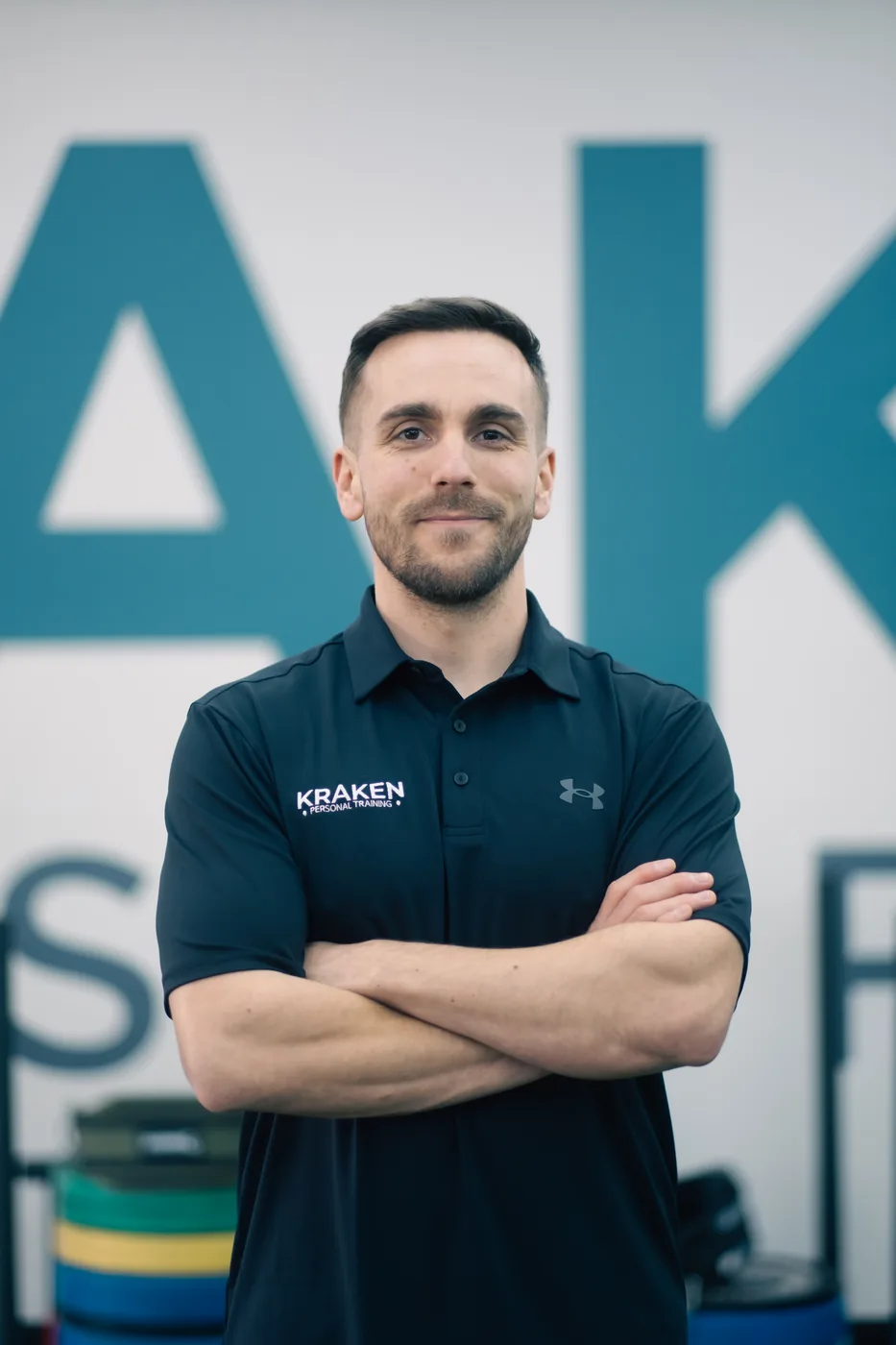

Motivation is like cocaine. It works the first time, maybe the second, and then it’s all downhill with diminishing returns. At Kraken Fitness in North Burnaby, near Brentwood, coaches don’t build programs around motivation. They build around routines, habits, and identity shifts — the three stages that actually carry people from “I want to get fit” to “I am a fit person.” If you’re waiting to feel motivated before starting, you’ll be waiting forever.
Watch: Motivation vs. Discipline
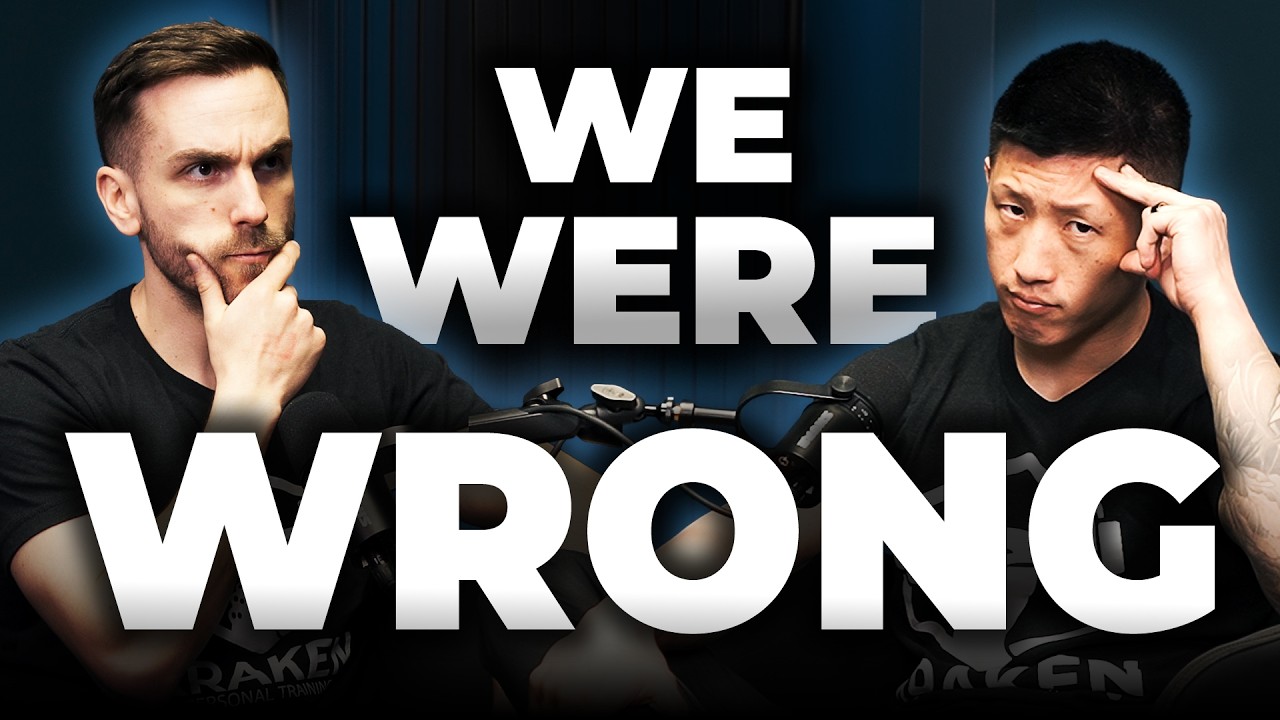
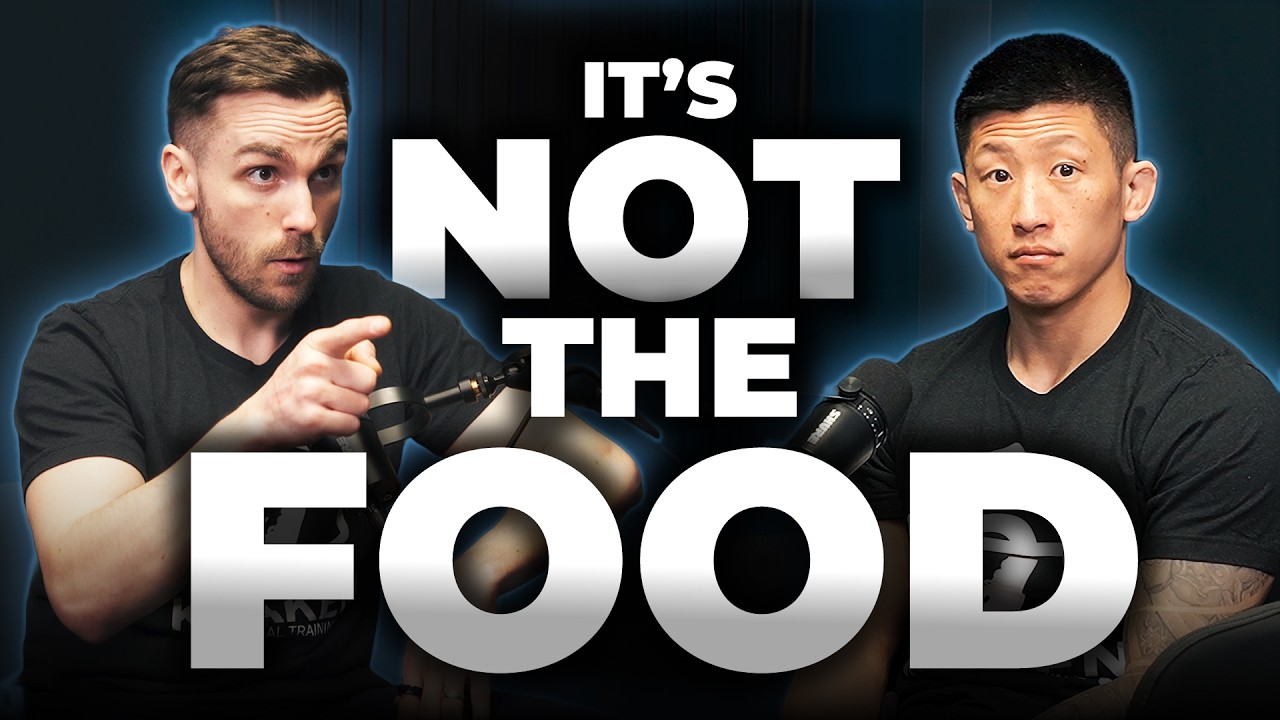
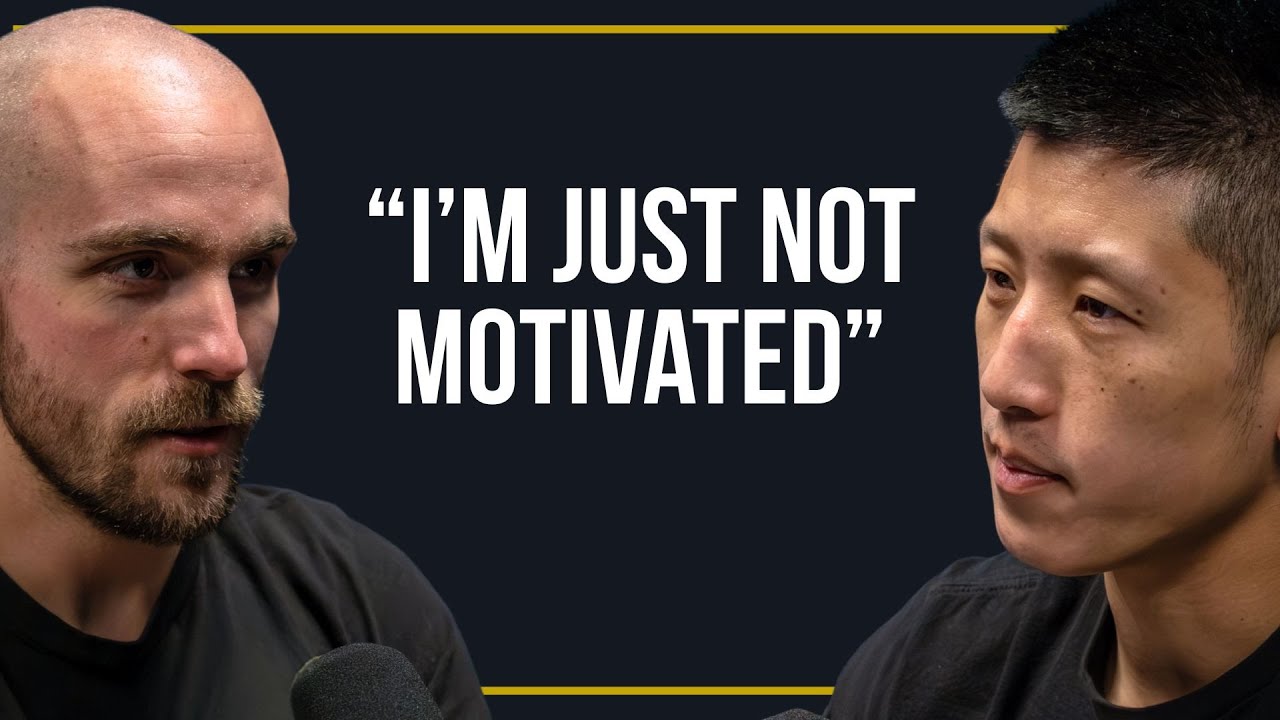
In this episode of the Kraken Power Podcast, Josko and Brandon break down why motivation is unreliable, what actually carries people through a fitness transformation, and the three-stage progression from motivation to identity.
Why Motivation Always Fades
Motivation is a fleeting feeling. Brandon describes it as a short burst of internal drive that gets you into action — and then disappears. It’s the thing that makes you sign up for a gym in January. It’s also the thing that’s completely gone by February.
Josko has a more colorful description: motivation is like cocaine. You can use it every morning to get pumped up, and it might work for a day or two. After that, it’s just noise. He actually tried this — at 18, he set his morning alarm to play a motivational speech. “Wake up and rise to the occasion every single day!” It was cool for two days. After that, it was just an annoying alarm he slammed off to go back to sleep.
Brandon sees the pattern every year at Kraken. There’s a wave of motivated New Year’s resolutioners in January, and another wave in September. They come in fired up. A few of them make it through to becoming consistent. Most don’t, because motivation was the only thing holding them up.
The critical insight from Kraken’s coaching experience: disciplined people don’t feel motivated to work out any more than undisciplined people. Brandon estimates he’s genuinely excited for about one out of five workouts — maybe 20%. The other 80%, he doesn’t want to go. But he goes anyway because it’s 9:30 AM and that’s when he works out.
The difference between someone who works out five days a week and someone who works out one day a week isn’t how motivated they feel. It’s that the consistent person does all five even when they only feel like doing one. The inconsistent person only does the one they feel like doing.
Discipline Is Just Habits With a Scarier Name
Josko pushes back on even calling it “discipline.” That word makes it sound like grit and willpower and white-knuckling through every workout. The reality is much simpler: it’s just routines and habits.
The person who works out at 9:30 every morning doesn’t go through a daily internal battle about whether to go. They look at the clock, see 9:30, and go. The same way you don’t have a daily debate about whether to brush your teeth. It’s just what happens at that time.
Building these routines takes initial effort, sure. But the goal isn’t to build discipline. The goal is to build habits that make the behavior automatic. Once the habit is locked in, it requires about as much willpower as brushing your teeth — which is essentially zero.
At Kraken Fitness in Burnaby, coaches work with clients to anchor workouts and nutrition habits to specific times, places, and triggers. The system creates the consistency, not the client’s internal motivation. That’s why Kraken’s approach focuses on behavior change rather than motivation — because behaviors can be systematized, and motivation can’t.
Brandon puts it bluntly: “I would be lying to you if I told you every day I’m in the gym, I’m like, I can’t wait to work out today.” The excitement shows up after the workout starts, sometimes only after the workout is over. But the habit gets him through the door regardless.
The Three Stages: Motivation, Discipline, Identity
Brandon breaks the progression into three stages that Kraken’s coaches use as a framework for long-term client success.
Stage 1: Motivation. The initial rush. You’re fired up. You just signed up, you just watched an inspiring video, you just had a conversation that lit a fire. This stage feels amazing but it’s temporary. Could last days, could last weeks. It will fade.
Stage 2: Discipline (Habits and Routines). Motivation fades, and what’s left is the routine you’ve built. You work out whether you feel like it or not. You follow your nutrition plan even when it’s boring. You push through obstacles because the habit is stronger than the feeling.
Stage 3: Identity. The final stage — and the one that makes everything self-sustaining. You’re no longer someone who is “trying to be healthy.” You are a healthy person. Working out isn’t something on your to-do list. It’s part of who you are.
Josko explains how to get to Stage 3: picture who you want to be. Write down what that person does every single day — their habits, their routines, their choices. Then start doing those things. The identity shift follows the behavior, not the other way around.
This is why Kraken’s coaches never tell clients “you need more discipline” or “you just need to want it more.” That’s useless advice. Instead, they help clients build the specific routines that, over time, become part of who they are. The identity shift happens naturally once the behaviors are consistent long enough.
The Toothbrush Test
The best analogy for how habits work comes from the most boring habit you have: brushing your teeth.
Nobody feels motivated to brush their teeth. Nobody has a motivational speech saved for their pre-brushing routine. Nobody white-knuckles through the discipline of picking up the toothbrush. You just… do it. Before bed, the toothbrush comes out. It’s automatic.
But it wasn’t always automatic. Your parents had to force you to do it when you were young. They had a vision of your future self — someone with healthy teeth and a good smile — and they pushed that habit on you until it stuck. Now it requires zero effort.
Fitness habits work exactly the same way. The early stages require push. The middle stages require routine. Eventually, working out becomes as automatic as brushing your teeth. You don’t think about it. You just do it because that’s who you are.
And the reverse is true too. If something you’re doing doesn’t align with the person you want to become, it’s actively pushing you backward. Want to be fit? Then behaviors that conflict with that identity — skipping workouts, binging on weekends, staying up until 2 AM — aren’t just “bad habits.” They’re pulling you away from who you’re trying to become.
Josko’s final take: stop trying to be motivated. Start building the routine. The routine becomes the habit. The habit becomes the identity. And then you never have to think about motivation again.
FAQ
Is motivation completely useless for fitness?
Motivation isn’t useless — it’s useful as a starting point. It’s the spark that gets you to sign up, try something new, or take the first step. But motivation fades quickly. Kraken’s coaches use that initial motivated window to help clients build routines and habits that carry them long after the motivation disappears.
How long does it take for a fitness routine to become a habit?
There’s no magic number, but Kraken’s coaching experience shows that most clients start feeling automatic about their routine after a few weeks of consistent scheduling. The key is anchoring workouts to a specific time and doing them whether you feel like it or not. Once the decision is removed, the habit forms naturally.
What’s the difference between discipline and habit in fitness?
At Kraken Fitness in Burnaby, coaches treat them as essentially the same thing. “Discipline” sounds like willpower and grinding. In practice, it’s just doing what you planned to do because it’s the time you planned to do it. Once the routine is established, it requires about as much willpower as brushing your teeth.
How do I make an identity shift around fitness?
Picture the person you want to become. Write down what that person does daily — their habits, routines, and choices. Then start doing those things consistently. The identity shift follows the behavior. At Kraken, coaches build these behaviors incrementally so the shift happens naturally over time.
Why do New Year’s resolutions fail for fitness?
New Year’s resolutions fail because they’re built entirely on motivation — the initial rush of “this year will be different.” Without converting that motivation into specific daily routines and habits, the resolution collapses as soon as the feeling fades, usually within a few weeks.
Ready to Start?
If you’re tired of waiting for motivation to strike and want coaches who build real habits, Kraken Fitness in North Burnaby near Brentwood offers a free trial week. The coaching team will help you build routines that outlast any motivational speech.