
Most people who walk through the doors at Kraken Fitness in North Burnaby have the same concern somewhere in the back of their mind: my posture is just broken. Years of sitting at a desk, driving, looking at a phone – and somewhere along the way they decided their body was permanently messed up.
It almost never is. What looks like “bad posture” is usually tightness in a few specific areas – your lats, your upper back, your ankles, or nerve tension running down the back of your legs. All of that is fixable. Here are three tests to figure out which one you’re dealing with.
Why “Bad Posture” Usually Isn’t What You Think
People carry a lot of shame around their posture. They’ve been told to “stand up straight” their whole lives, and now they walk around convinced their spine is permanently damaged. When they see themselves in photos – rounded shoulders, forward head, the whole thing – it confirms what they already believed.
The reality is different. Most of what people call “bad posture” is mobility restriction. Tight lats. A stiff upper back. Restricted ankles. Or nerve tension running down the back of the legs that limits range of motion just as effectively as tight muscles do. None of these are permanent. They’re all things that respond to the right work.
The three tests below will tell you exactly what you’re dealing with. They won’t take long – the whole thing can be done in a few minutes. And the answers will point you toward specific areas to address, rather than leaving you with the vague sense that your body is just broken.
Test 1: The Wall Test
The wall test checks your upper back mobility, shoulder mobility, and lat tightness all at once – using nothing but a wall.
Setup: Stand about a foot away from the wall. Make contact at three points: the back of your hips, your mid back, and the back of your head. Keep all three touching.
The test: Extend your arms straight out in front of you, elbows locked, thumbs pointing up. From there, slowly raise your arms overhead and try to touch your thumbs to the wall – without any of those three contact points (hips, mid back, head) lifting off.
What it means: If your thumbs reach the wall with all three points still in contact, your upper back and shoulder mobility are in decent shape. If one or more contact points lifts off before your thumbs get there, you’ve got restriction somewhere in the chain – most commonly the lats, the upper back, or both.
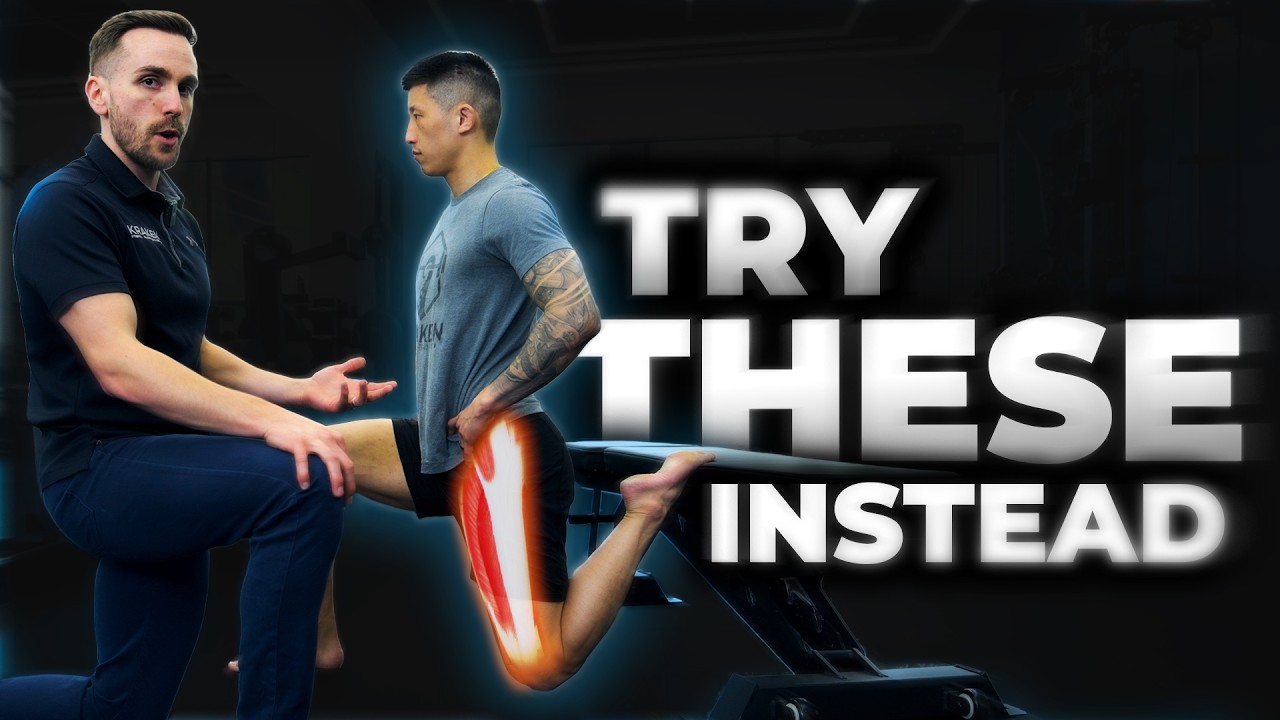
The fix – the prayer stretch: Get on your knees in front of a bench. Place the backs of your elbows on the bench with your palms facing toward you. From there, sink your hips back while keeping your chest angled upward. You should feel a stretch through your lats and a release through your mid back. This is the tension that pulls you out of that overhead position. Hold it, let it open up, and repeat a few times.
This stretch takes a few minutes and addresses the exact restriction the wall test is looking for. If you’re failing the wall test consistently, running through the prayer stretch before any overhead work will make a noticeable difference over time.
Test 2: The Overhead Squat Test
The overhead squat test gives you a global picture of what’s happening in your body during movement – how your ankles, hips, upper back, and shoulders all work together.
Setup: Before you do this test, set up your phone to film. You want footage from the front, the side, and the rear. Do two to three reps from each angle so you have enough to look back at.
Stand shoulder width apart, feet pointing straight forward. Reach straight up overhead as high as you can go. From there, squat down as low as you comfortably can, then come back up.
How to read it – work bottom up:
Start at your feet. As you squat, do they turn out excessively or cave inward? Either can signal ankle restriction or hip mobility issues that are compensating downstream.
Move up to your knees. Do they track over your midfoot, or do they collapse in or bow out? Knees caving inward often point to weak hips or tightness through the inner thighs.
Switch to the side view and watch your arms. Do they stay in line with your ears as you squat, or do they drift forward? Arms coming forward during the squat almost always means tight lats and a stiff upper back – the same issue the wall test checks, just showing up in a loaded movement pattern.
Still on the side view: do your heels stay down, or do they lift as you sink into the squat? Heels coming up means tight ankles – and ankle restriction affects your knee tracking, hip position, and how much depth you can safely reach.
The overhead squat test doesn’t give you one answer. It gives you a map – a starting point for understanding where your movement is being limited and why.
Test 3: The Toe Touch Test
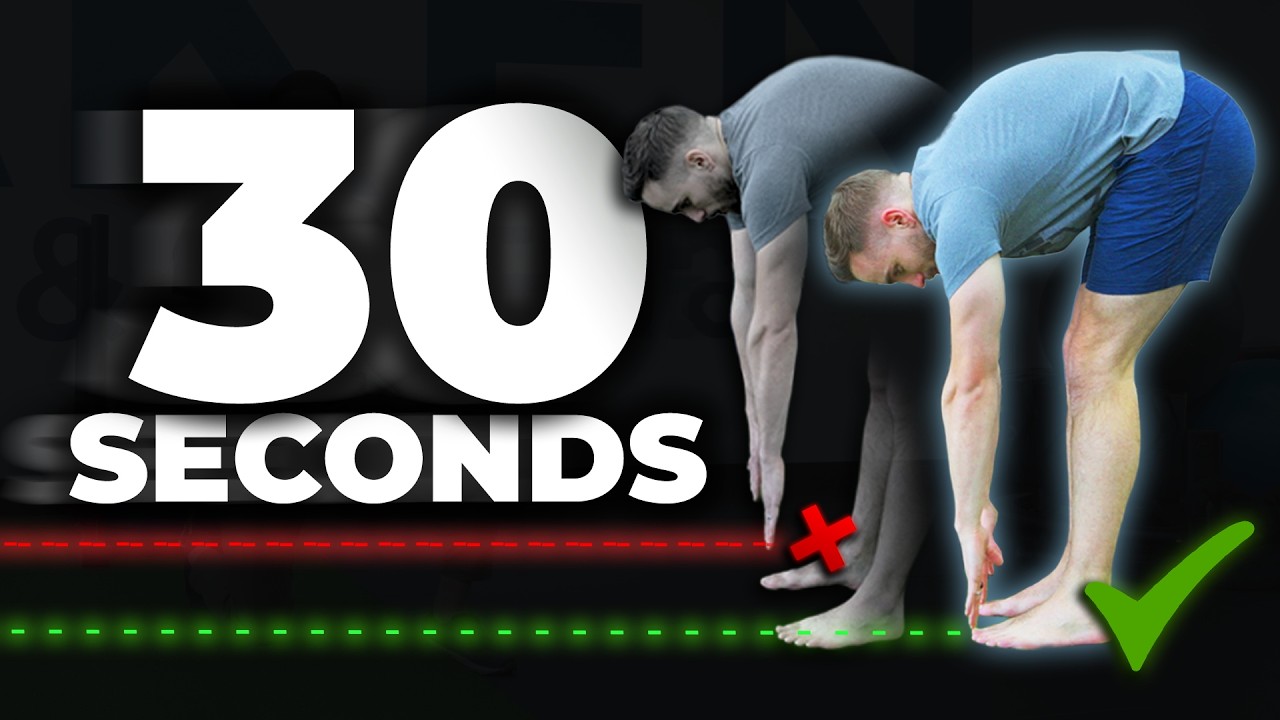
The toe touch test is simple: stand upright, keep your knees mostly straight, bend forward, and try to touch your toes.
If you can touch your toes with ease, your hamstring flexibility and posterior chain mobility are in a reasonable place. You’re done with this one.
If you can’t reach your toes, there’s a follow-up test that helps you understand why – and the answer matters, because the fix is different depending on what’s actually going on.
The nerve test:
Lie flat on your back. Lift one leg straight up with your knee fully extended and your toes pulled back toward your shin. You should feel a strong stretch on the back of your leg. From there, press your heel into your hands and resist hard – like you’re trying to push your leg back down – for about five seconds. Then release, relax, and let the leg drift slightly higher. Repeat this three times on the same leg.
Stand back up and try the toe touch again.
If you can reach noticeably further than before, the limiting factor wasn’t tight hamstring muscle fibers. It was nerve tension. The sciatic nerve and its branches run down the back of your legs, and when they’re under tension, they restrict your range of motion just as effectively as tight muscles do. The contract-relax sequence you just ran is a form of nerve mobilization that temporarily releases that tension.
This distinction actually matters. If you’ve been stretching your hamstrings aggressively for months with no improvement, nerve tension is likely the reason. Stretching harder won’t fix a nerve tension problem – it can make it worse. The approach is different.
If you try the test and your range doesn’t change much, muscle tightness is the more likely limiter – and a consistent hamstring stretching routine is the right approach.
Either way, now you know what you’re working with.
FAQ
What is the wall test for posture?
The wall test checks upper back mobility, shoulder mobility, and lat tightness. Stand a foot from a wall with three contact points – hips, mid back, and head. Raise your arms overhead with thumbs up and try to touch the wall without any contact point lifting off. If they lift, you have mobility restrictions to address in the lats or upper back.
What does the overhead squat test tell you?
The overhead squat test gives a full-body movement assessment. Analyzed bottom up, it reveals ankle restriction (heels lifting), knee tracking issues, hip mobility, and upper back or lat tightness (arms drifting forward during the squat). Film yourself from front, side, and rear to see the complete picture.
Why can’t I touch my toes even though I stretch regularly?
If regular hamstring stretching hasn’t improved your toe touch, nerve tension may be the limiting factor rather than muscle tightness. Try pressing your raised leg into your hands for 5 seconds, then relaxing and reaching deeper – repeat 3 times. If your range improves significantly after this, you’re dealing with nerve tension, not tight muscles.
Is bad posture permanent?
In most cases, no. What people call “bad posture” is usually mobility restriction – tight lats, stiff upper back, or limited ankle range – or nerve tension in the posterior chain. These respond to targeted work. Structural conditions like scoliosis are a different matter, but most everyday posture issues are addressable.
Do I need a trainer to fix my posture in Burnaby?
You can run these tests yourself, but a trainer helps you interpret the results and build a plan that actually addresses what you found. At Kraken Fitness in North Burnaby, a movement analysis is part of every new client’s assessment – it’s how the coaches build programs that work for each person’s specific restrictions rather than a generic template.
Ready to Start?
If you’re in North Burnaby and want a coach to run through these assessments with you and build a program around what they find, Kraken Fitness offers a free trial week. The onboarding process includes a movement analysis so your training is built around your body from day one.