
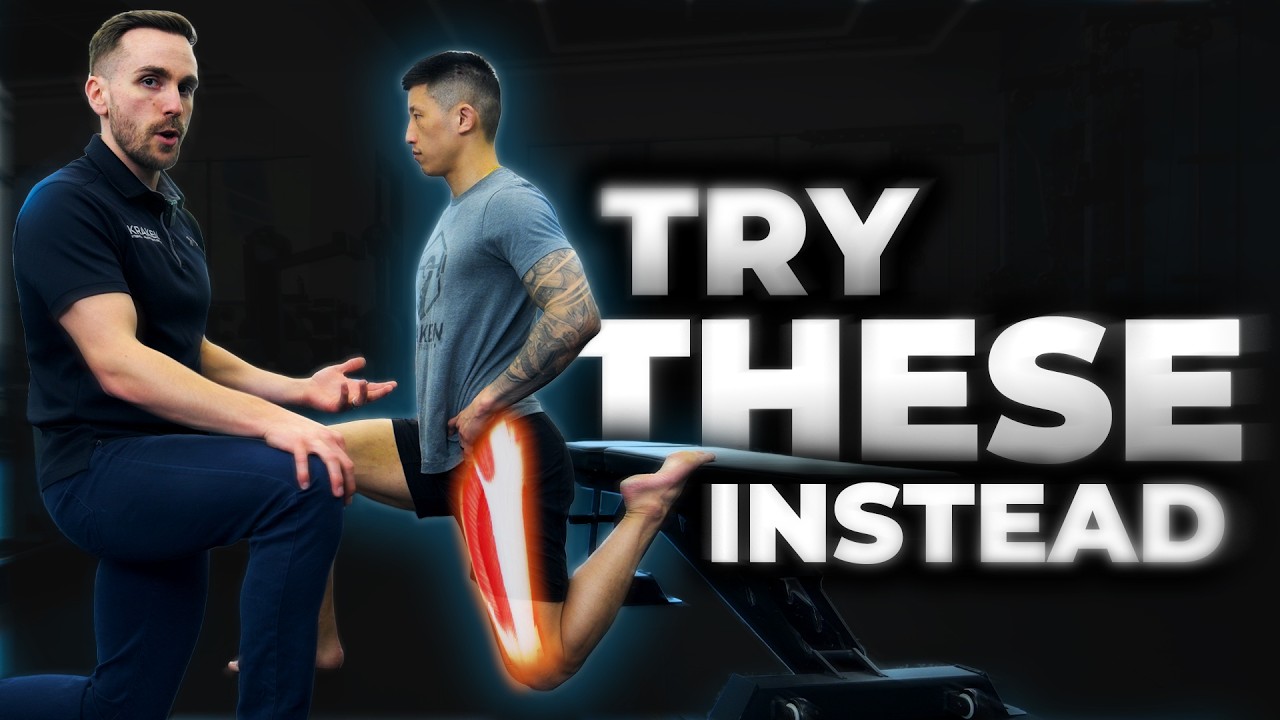
Walk around any gym in North Burnaby and you’ll see the same three stretches on repeat: standing quad grab, toe-touch hamstring reach, butterfly on the floor. None of them are wrong to attempt. The problem is the position, not the intent. Here’s why each one usually misses the muscle it’s supposed to target, and what to do instead.
Why the Standing Quad Stretch Doesn’t Work
The standing quad stretch fails because your body is too busy balancing to actually stretch anything. Even holding onto something for support, you’re still on one leg, which forces your hips to work overtime just to keep you upright.
On top of the balance problem, the stretch only works if you keep your tailbone tucked and your pelvis neutral while you pull your heel toward your glute. That’s two technical demands stacked on top of one leg balance, and most people’s bodies default to solving the balance problem first. The result is a stretch that feels like something, but isn’t actually loading the quad or hip flexor the way it’s supposed to.
A better option is the couch stretch. Get into a lunge position with your back knee down, then instead of arching your back, tuck your pelvis and squeeze your glute on the working side. That single adjustment removes the balance requirement and immediately lights up the quad and hip flexor. You feel it right away, which is the clearest sign a stretch is actually doing its job.
The Standing Hamstring Stretch Problem
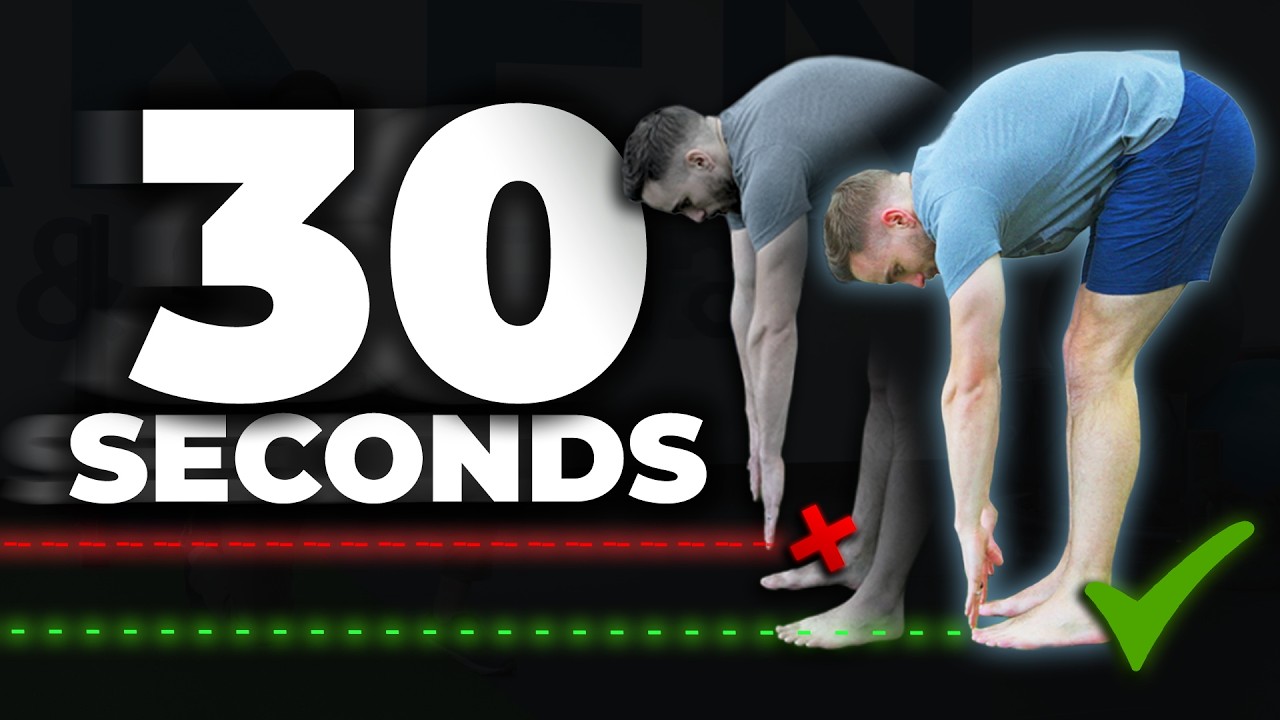
Reaching for your toes while standing does stretch something, just not mostly your hamstrings. Most people round through their upper back and lower back to close the gap to their toes, which turns a hamstring stretch into a back stretch.
It’s not dangerous, it’s just not accomplishing what you set out to do. The rounding happens automatically because it’s the path of least resistance. Your spine can flex more easily than your hamstrings can lengthen, so your body takes the easier route without you noticing.
A better setup is to lie on your back, loop a band or rope around one foot, and pull it toward you while keeping your back flat on the floor. With your spine locked in place, there’s nowhere for the stretch to go except into the hamstring, which is exactly where you want it. This version also lets you control the intensity by how far you pull the band, something a standing toe-touch can’t offer.
Why the Butterfly Stretch Misses Your Inner Thighs
The butterfly stretch struggles to actually lengthen your inner thighs because tight adductors do the opposite of what you’d expect: instead of dropping toward the floor, your knees float upward, away from the stretch. Tight muscles resist the position that’s supposed to stretch them, which limits how much stretch you actually get.
Pressing down on your knees or adding weight on top seems like the obvious fix, but it usually rounds your back instead, trading one problem for another. Most people also already round their back during this stretch without any added pressure, which compounds the issue.
A better alternative is the half-kneeling adductor stretch, where you drop into a half-kneeling position with one leg out to the side and let your body weight sink into the stretch. Because gravity is doing the work instead of your hands pressing down, you can target the inner leg directly without compromising your back. Most people feel the difference immediately compared to a standard butterfly.
How to Actually Get a Good Stretch
A stretch only works if your body position lets the target muscle lengthen without something else taking over first, whether that’s balance, spinal rounding, or a joint compensating for another one. All three stretches above fail for the same underlying reason: the setup lets an easier movement substitute for the intended one.
There’s nothing wrong with spending time stretching. Mobility work is worth doing. But if you’re going to put in the time, the position matters more than the effort. Fixing your setup before you start, tucking the pelvis, flattening the back, letting body weight load the stretch, gets you a better result in less time than holding a bad position longer.
FAQ
Is the standing quad stretch bad for me?
No, it’s not dangerous, it’s just inefficient. Balancing on one leg while managing your pelvis position usually takes priority over actually stretching your quad and hip flexor, so you get less out of the stretch than you’d expect.
Why doesn’t my hamstring stretch feel like much?
If you’re reaching for your toes standing up, you’re probably rounding through your upper and lower back to get there, which shifts the stretch away from your hamstrings. Try a lying, banded version instead to isolate the hamstring directly.
What’s a better alternative to the butterfly stretch?
The half-kneeling adductor stretch works better for most people. Dropping your body weight into a half-kneeling position targets the inner thigh directly, without the knee-floating and back-rounding issues that come with a standard butterfly stretch.
Ready to Start?
If your stretching routine hasn’t been giving you much, it’s usually a setup problem, not an effort problem. Kraken Fitness in North Burnaby builds mobility and movement quality into every program, so you’re not guessing at form on your own. Come try a week and get it dialed in with a coach watching.