
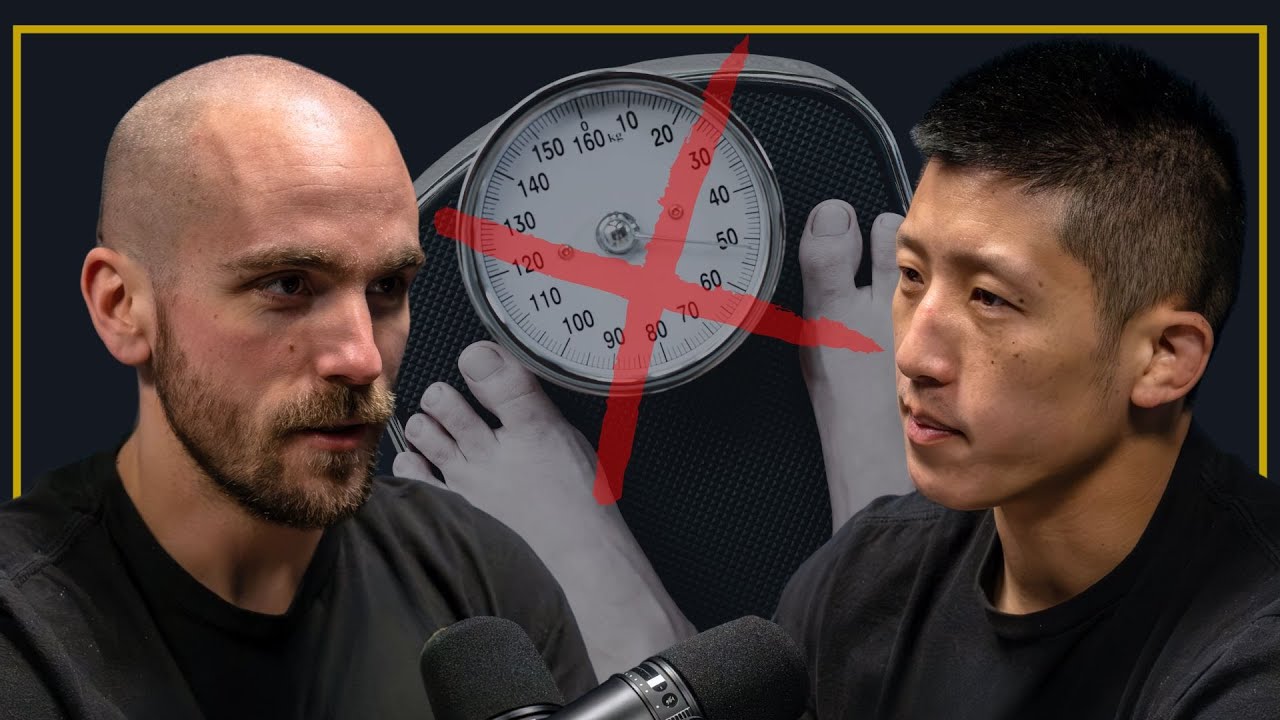
Your body weight only tells you how hard gravity is pulling you down. That’s it. At Kraken Fitness in North Burnaby, near Brentwood, coaches track three metrics that actually predict fitness success: sleep quality, non-exercise movement, and protein consistency. Clients who switch from scale-watching to tracking these three things see better results and stop quitting right before a breakthrough.
Watch: Why Your Scale Is Lying
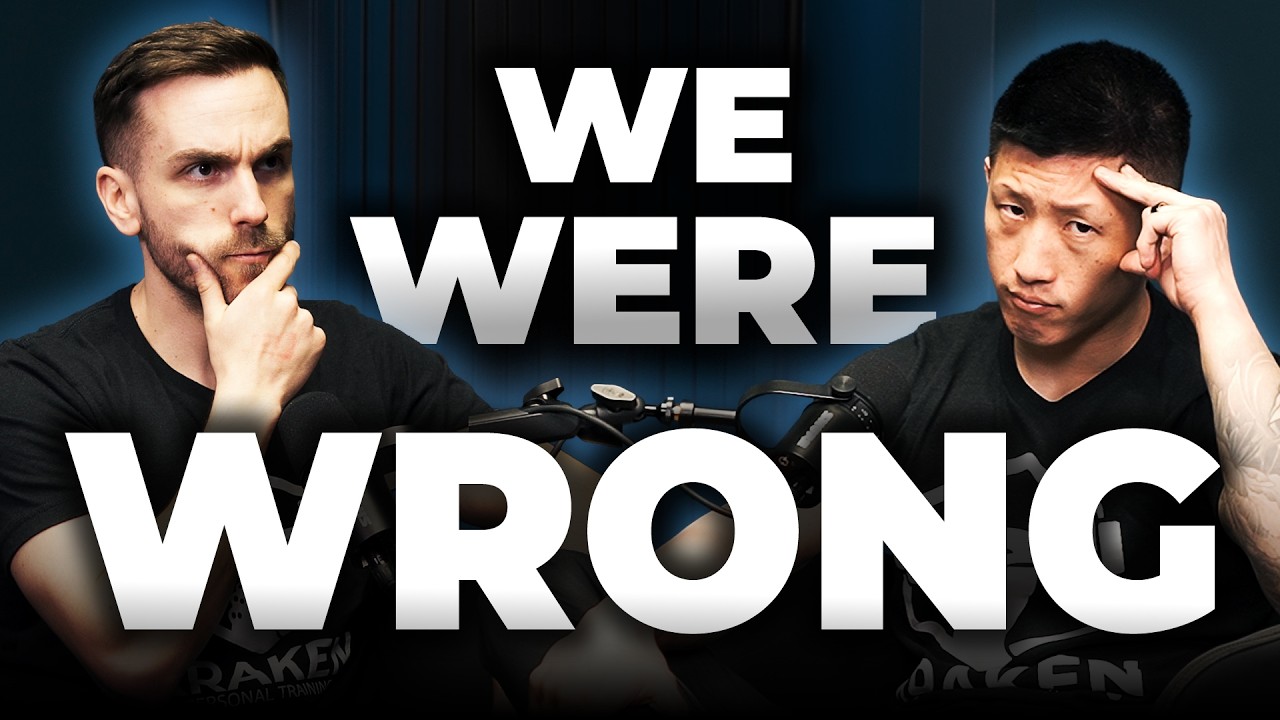
In this episode of the Kraken Power Podcast, Josko and Brandon explain why body weight is the wrong metric for most people and break down the three things you should actually be tracking for better fitness results.
Why Body Weight Is One Pixel of a 4K Movie
Stepping on the scale and seeing 152 pounds tells you exactly one thing: how hard gravity is pulling you down toward the earth. That’s about it.
Two people can weigh 152 pounds and have completely different body compositions, blood profiles, and health markers. Body weight doesn’t distinguish between muscle and fat, doesn’t reflect hydration, and doesn’t tell you whether you’re actually healthier than you were last month.
Kraken Fitness uses a body composition scanner that cost over $10,000 — it’s similar to a DEXA scan and tracks body fat percentage within 0.2% accuracy. So yes, Kraken’s trainers track body composition data. But the coaches emphasize that even these advanced metrics aren’t the most important things to track for actually seeing results.
Some clients come to Kraken with a history of unhealthy scale obsession. Brandon sees clients who grew up tracking body weight through dance or developed disordered eating because they were hyper-focused on a number. The coaching team gives these clients something healthier to obsess over — metrics that actually drive progress without the emotional baggage of a daily weigh-in.
Josko puts it simply: tracking only body weight is like looking at one pixel of an entire 4K movie. You want to see the whole picture. And that picture comes from tracking behaviors, not outcomes.
Metric 1: Sleep Quality
Sleep is the single most important metric to track if you’re only going to track one thing. Kraken’s coaches bring this up in nearly every podcast episode because sleep affects everything downstream — decision-making, workout performance, recovery, nutrition choices, mood, and relationships.
At Kraken, both Josko and Brandon use Oura Rings to track sleep quality, duration, and recovery scores. The difference between an 83 sleep score and a 70 shows up in every part of the day — how sharp your thinking is, how well you handle stress, how effectively you train.
Brandon sees this pattern constantly with Kraken’s clients: someone is doing everything right nutritionally and in the gym, but they’re stuck. Not losing weight, not making progress. Then they go from four hours of sleep to eight hours of quality sleep, and the scale starts moving without changing anything else.
Josko notices it with podcast recording days. He has to make sure his sleep is dialed in the night before, or the content quality drops. He’s also seen how bad sleep with a newborn affects every other relationship and decision. It cascades.
Practical ways to start tracking sleep:
- Oura Ring — Josko’s top recommendation. No screen, just a ring. Tracks sleep stages, HRV, heart rate, and recovery.
- Whoop Band — tracks strain instead of steps, which gives a fuller picture of daily stress.
- Fitbit or Apple Watch — budget-friendly options that still provide useful sleep data.
Any tracker is better than no tracker. The goal is to turn sleep from something that “just happens” into something you can measure, improve, and see the results of.
Metric 2: Non-Exercise Movement
The second metric Kraken’s coaches recommend tracking is non-exercise movement — basically how much you move throughout the day outside of your workouts.
Step counts are the most common way to track this, but Josko actually prefers overall movement or strain scores. The Oura Ring converts activity to steps, but the Whoop Band tracks total strain throughout the day, which captures more than just walking. Josko’s wish: that the Oura Ring would just give a general movement number instead of counting specific steps.
Why this matters: people who are naturally fidgety — high NEAT (non-exercise activity thermogenesis) — tend to be leaner. They burn more calories through small micro-movements throughout the day. Brandon jokingly attributes his own leanness to his “fidgety ADHD.”
But more important than calorie burn, general movement throughout the day improves mood and energy. The more you move throughout the day with healthy, non-intense movement — walking, standing, taking the stairs — the better you feel overall. Compare that to sitting at a computer or watching TV all day, and the difference in how you feel is dramatic.
This is why Kraken’s coaches push “dedicated walks” — intentional, non-incidental walking. Not just steps you happen to accumulate. Deliberate movement that becomes part of the daily routine.
The implementation is simple: get a fitness tracker. Any fitness tracker. Put it on. Start paying attention to how much you actually move in a day. Most people are shocked at how little it is.
Metric 3: Protein Consistency
The third metric that predicts fitness success is protein consistency — not macro tracking, not calorie counting, just making sure protein shows up in every meal, every day.
Brandon recommends aiming for about one gram of protein per pound of body weight daily. But the method matters less than the consistency. Kraken’s coaches offer multiple approaches based on what works for each client:
- Track with an app like MyFitnessPal or Cronometer
- Use the fist method — five to six fist-sized portions of protein per day
- Plate prioritization — make sure a significant portion of every plate is protein
- The hunger test — if you’re hungry, ask yourself: “Would I eat protein right now?” If yes, you’re actually hungry. If not, it’s hedonic hunger (Brandon credits this tip to Tanner Shuck on Instagram).
The point isn’t to obsess over grams. It’s to build the habit of actively thinking about how much protein is on each plate. Josko says it’s less about tracking and more about consistently choosing protein-rich meals at breakfast, lunch, and dinner.
Why protein specifically? Because adequate protein maintains lean muscle mass even when you’re not exercising as much, keeps you fuller for longer, and gives your body the building blocks for recovery. When protein is consistent, the rest of the nutrition tends to fall in line naturally.
The Right Scoreboard Changes Everything
Most people quit their fitness journey right before a breakthrough because they’re watching the wrong scoreboard. Josko compares it to leaving a basketball game thinking you lost when you were actually up by 20 points.
If your only metric is body weight, you’ll feel like you’re failing even when your sleep has improved, you’re moving more, your energy is up, and your body composition is changing. The scale might not move for weeks while your body is actually transforming.
Kraken’s implementation system is straightforward: get a fitness tracker (Oura Ring, Whoop, Fitbit, Apple Watch — any of them), put it on, and start tracking sleep, movement, and protein. The tracker does the work for you. No notebooks, no food journals, no manual logging. Just wear it and look at the data.
When clients at Kraken shift their focus from the scale to these three metrics, something changes. They stop the emotional rollercoaster of daily weigh-ins. They start seeing progress they couldn’t see before. And they stop quitting because the scoreboard actually reflects what’s happening in their body.
FAQ
Should I stop weighing myself completely?
You don’t have to throw out the scale, but stop making it your primary metric. Kraken Fitness tracks body composition with advanced scanners, but coaches emphasize that sleep, movement, and protein consistency predict success far better than daily weigh-ins. Body weight is one data point, not the scoreboard.
What’s the best fitness tracker for sleep?
Josko recommends the Oura Ring because it has no screen, tracks sleep stages and HRV accurately, and doesn’t distract you at night. Whoop Band, Fitbit, and Apple Watch also work well. Any tracker is better than none — the key is wearing it consistently and using the data to improve.
How much protein should I eat per day?
Kraken’s coaches recommend roughly one gram of protein per pound of body weight daily. You can track it with an app, use the fist method (five to six fist-sized portions), or simply make protein the priority on every plate. Consistency matters more than hitting an exact number.
Why do Kraken’s coaches talk about sleep in every podcast?
Sleep affects every other fitness metric — workout recovery, nutrition decisions, mood, energy, and body composition. Brandon has seen Kraken clients plateau on perfect nutrition and training programs until they fix their sleep. Going from four to eight hours of quality sleep can restart weight loss without changing anything else.
What is NEAT and why does it matter for weight loss?
NEAT stands for non-exercise activity thermogenesis — all the movement you do outside of planned workouts. This includes walking, fidgeting, standing, and general daily activity. People with higher NEAT tend to be leaner. Tracking daily movement with a fitness tracker helps you see how much you’re actually moving.
Ready to Start?
If you’re frustrated by the scale and want coaches who track what actually matters, Kraken Fitness in North Burnaby near Brentwood offers a free trial week. Kraken’s trainers will help you find the right metrics and build the habits that drive real progress.