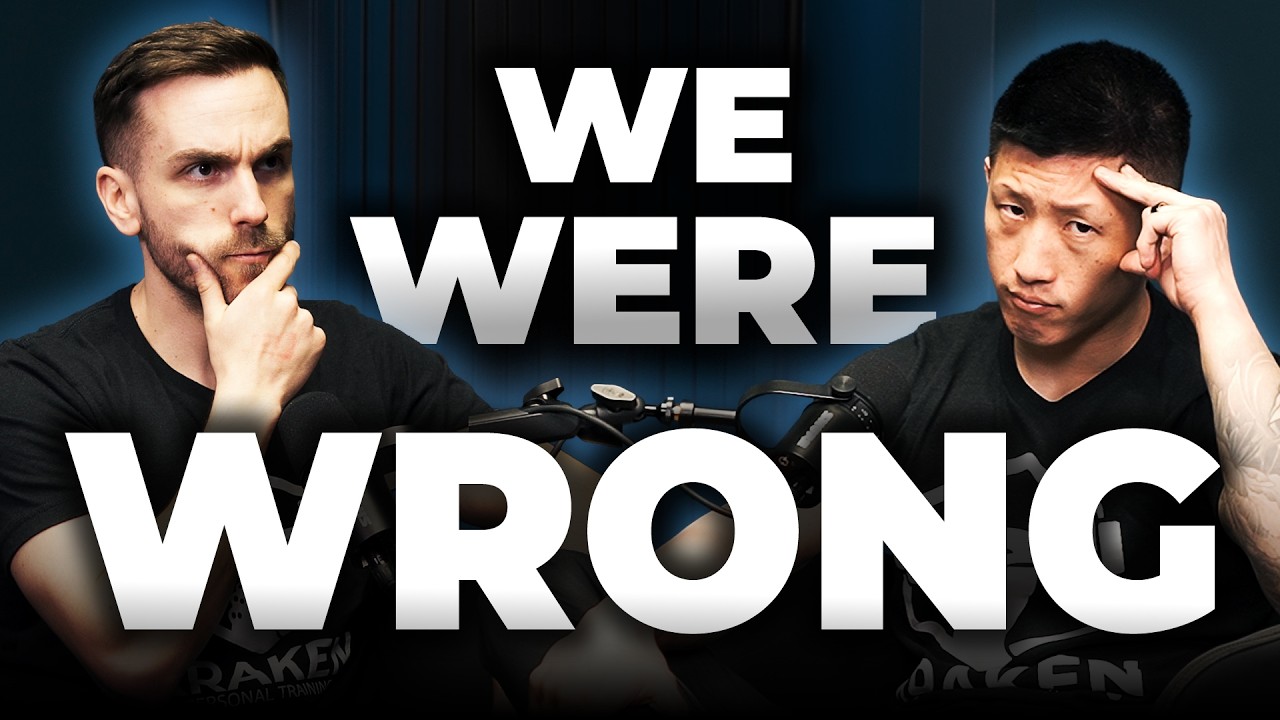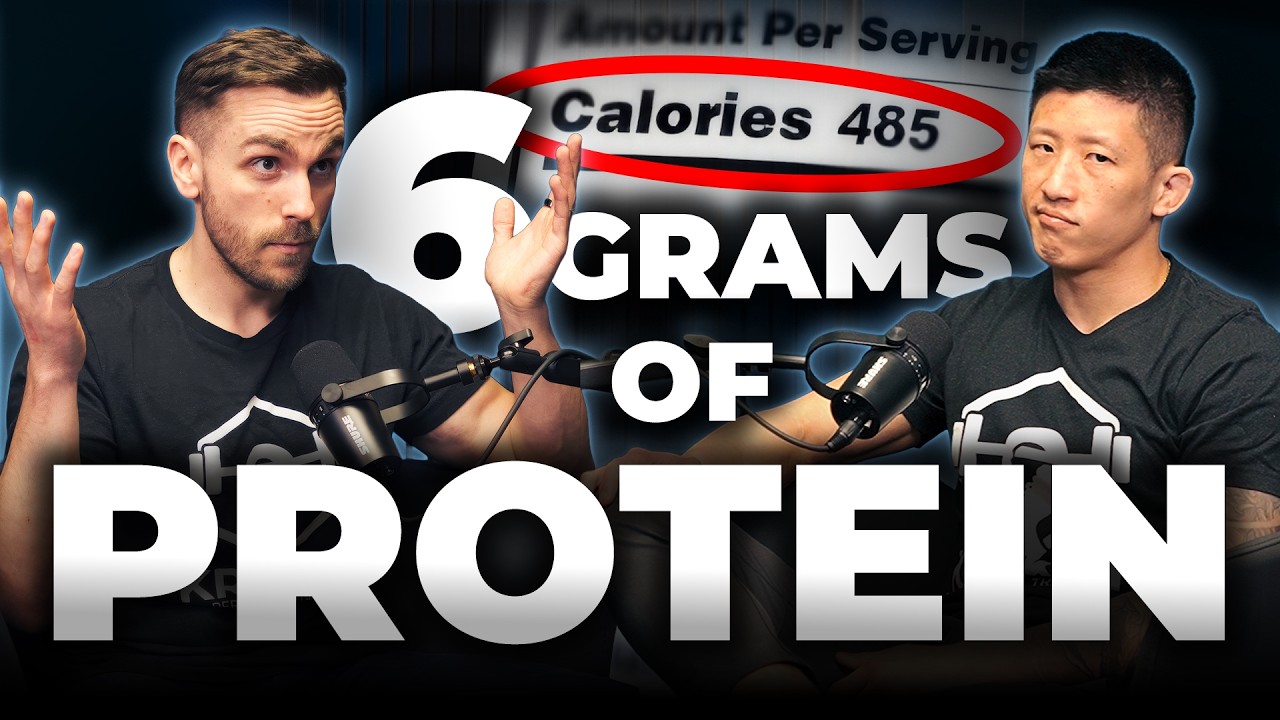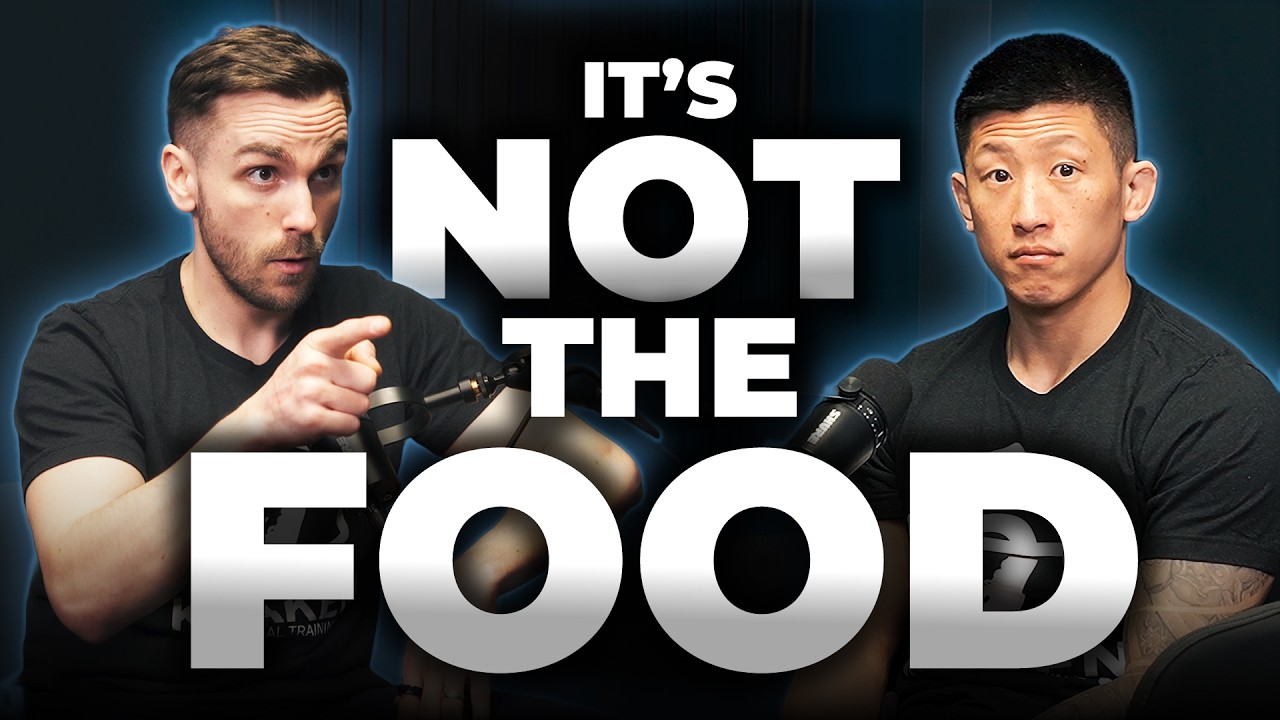

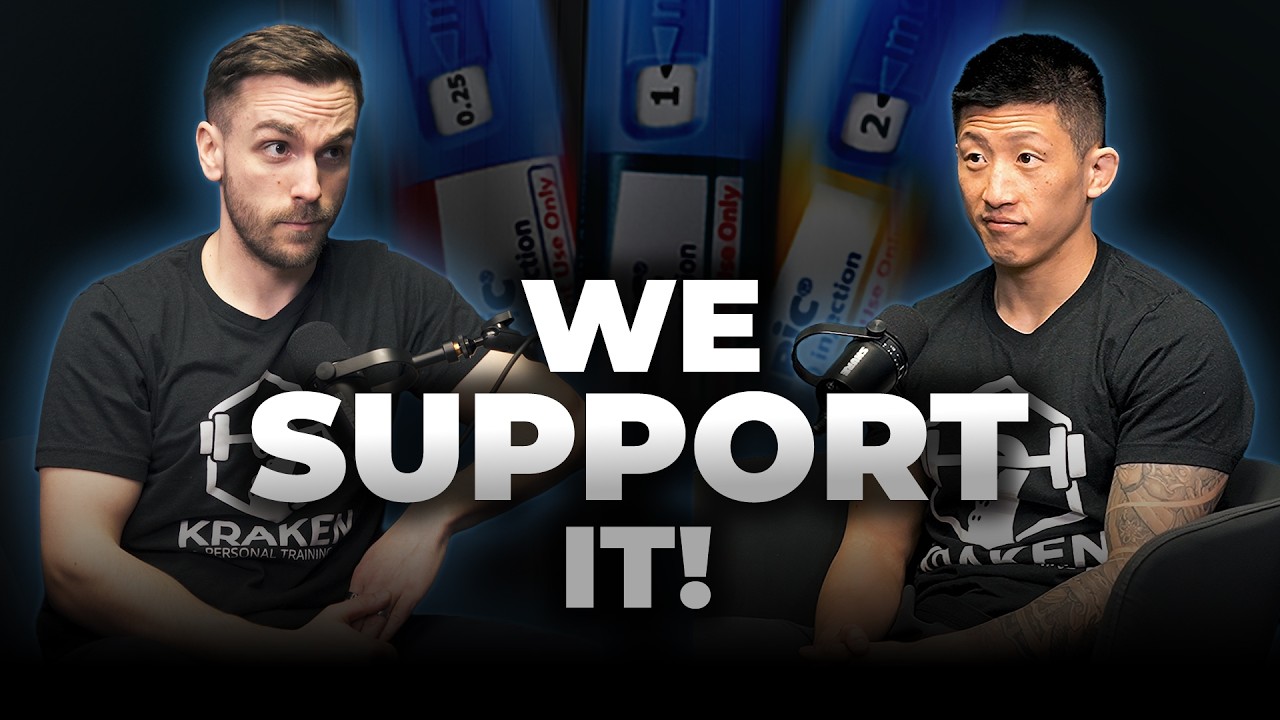
Ozempic has become one of the most polarizing topics in fitness. Most trainers are against it. Most people taking it feel like they have to hide it. At Kraken Fitness in North Burnaby, the conversation looks different – and in Episode 19 of the Kraken Power Podcast, Josko and Brandon break down what they actually think after coaching real clients through it
Listen and Watch
Watch this episode on YouTube:
Listen on Spotify:
Why We Changed Our Minds on Ozempic
Josko and Brandon were against Ozempic when it first blew up. Most gym owners were. The thinking was straightforward: you can lose weight by eating less, so why take a drug? That position has changed.
The fitness industry’s resistance to GLP-1s comes down to two things. First, a genuine misunderstanding of how hunger works biologically. Second – and this is the one nobody wants to say out loud – fear that the drug makes trainers obsolete. If a pill removes hunger and people lose weight, what’s the point of a coach?
At Kraken, watching clients use Ozempic as a tool while still doing the real work has shifted the conversation. GLP-1s don’t replace coaching. They remove one of the biggest barriers – constant, relentless hunger – so the actual habit-building can happen. The trainers who are scared of Ozempic are the ones whose entire value was “just eat less and work harder.” That advice was always wrong. Ozempic just made it obvious.
How GLP-1s Actually Work
GLP-1s are synthetic peptides built to mimic a gut hormone your body already makes naturally after eating. That hormone binds to receptors and tells your brain you’re full. The drug does the same thing – but holds on to those receptors longer, keeping the fullness signal going well past a normal meal.
Some GLP-1s like tirzepatide also slow gastric emptying by around 30-40%. Your stomach empties its contents more slowly, which triggers stretch receptors that send a second fullness signal to the brain. Less hunger. Fewer cravings. A lower drive to overeat.
For someone who has spent years battling intense hunger – whether from their upbringing, their food environment, or just their biology – this is a real physiological shift. The drug isn’t doing the work for them. It’s removing a biological signal that was working against them the whole time.
The Muscle Loss Risk Nobody Talks About
The biggest issue with Ozempic isn’t the drug itself. It’s that most people using it aren’t prepared for what comes with fast weight loss.
Any significant weight loss, fast or slow, includes some muscle loss. In a standard calorie deficit, roughly 75% of what you lose is fat and 25% is muscle. When weight drops quickly on a GLP-1, that muscle loss can be substantial – and for older adults especially, losing that much muscle is a serious long-term problem.
One study found that people who combined GLP-1s with strength training and adequate protein brought their muscle loss down from around 25% to just 3%. That’s the difference between coming out lean and strong versus lean and fragile.
This is exactly where the trainer becomes essential. Not a nice-to-have – essential. The drug accelerates weight loss. The trainer protects what matters most while that’s happening. Without coaching, people are losing body weight without improving body composition. That’s not the goal.
Why Your Trainer Matters More, Not Less
The fear that Ozempic replaces trainers is backwards. GLP-1s make the trainer’s job more important, not less.
Think about it this way. When someone loses weight fast without strength training, they lose muscle they can’t easily get back. When someone loses weight and then stops the drug without building new habits, the weight returns. Both of those are coaching problems – and both are preventable with the right support.
Josko draws a useful comparison in this episode: the fitness industry’s reaction to Ozempic is basically the same as desk workers panicking about AI. The fear is “I’m going to be replaced.” The reality is “the people who adapt are going to be more valuable than ever.”
At Kraken Fitness in North Burnaby, training a client on Ozempic looks the same as training anyone else. Assess their lifestyle. Build a plan. Focus on sleep, nutrition, and getting stronger week over week. The drug handles the hunger. The coaching handles everything else.
There’s also this: for clients who’ve been doing everything right – training consistently, tracking food, sleeping well – and still can’t break through a plateau, a GLP-1 can be the thing that finally moves the needle. That’s not a failure of discipline. That’s biology getting in the way, and removing it.
Hunger Is Biological, Not a Willpower Problem
The old trainer line was: “Just eat less. Just use your willpower.” That framing is wrong, and Ozempic has made it impossible to defend.
Hunger signals aren’t the same across people. Someone raised on hyper-palatable processed food has a different hunger baseline than someone who grew up eating whole foods. Their brain’s reward system is calibrated differently. Telling that person to just try harder ignores 20 years of biological conditioning.
Culture plays into it too. Josko talks about this directly – being Croatian means food is tied to family, love, and celebration. Saying no to grandma’s cooking isn’t a discipline problem. It’s a social and emotional one. The same is true across plenty of other cultures. Food isn’t just fuel. It’s identity, relationship, and memory.
GLP-1s quiet the biological noise enough for real change to happen. That’s worth something. Shaming people for not having “enough willpower” was never helpful – it just made trainers feel like they’d diagnosed the problem when they hadn’t.
What Happens When You Come Off Ozempic
Here’s the part most people don’t plan for: when you stop the drug, the hunger comes back.
Unless the underlying habits – sleep, strength training, diet quality, stress management – have been built during the time on GLP-1s, the weight comes back too. This is the pattern behind every “I lost weight and then gained it all back” story. The weight was lost. The causes of the weight gain were never fixed.
The window while someone is on Ozempic is the opportunity. Hunger is quieter, motivation is higher, the body is changing. That’s exactly when to build the habits that will hold after the drug is gone. At Kraken, that means working on sleep, building real strength, and cleaning up the diet – not just riding the drug down the scale and hoping for the best.
Does that mean being on a GLP-1 forever? For some people, maybe. But for most, the goal is to use the drug as a bridge – build the foundation while the hunger is manageable, then carry those habits forward when you’re off it.
FAQ
Does Ozempic cause muscle loss?
Yes, but not uniquely. Any significant weight loss causes some muscle loss. The real risk with Ozempic is that weight drops fast, and muscle loss scales with speed. Combining GLP-1s with strength training and enough protein can reduce muscle loss from around 25% down to as low as 3%.
Do I still need a personal trainer if I’m on Ozempic?
More than ever. The drug handles hunger. The trainer handles everything else – muscle retention, habit building, sleep, and making sure the weight you lose is the right kind. Without coaching, most people lose muscle alongside fat and regain the weight after stopping the drug.
Is Ozempic safe for weight loss?
There are known and unknown long-term risks. There are also well-documented long-term risks from staying obese – heart disease, diabetes, cancer. The honest answer is that for many people, the risk of staying overweight outweighs the current uncertainty around GLP-1s. Talk to your doctor.
Why did Kraken change its position on Ozempic?
Because the evidence and client experience shifted the thinking. Initially the position was: you can just eat less. But that assumes hunger is a willpower problem, which it isn’t for most people. Once that assumption breaks, the case against GLP-1s gets a lot weaker.
How does Kraken train clients who are on Ozempic?
The same way Kraken trains everyone else. Assess the person’s lifestyle, goals, and current habits. Build a plan around sleep, nutrition, and progressive strength training. Being on Ozempic doesn’t change the program – it just means one obstacle has been removed.
Ready to Start?
If you’re in North Burnaby and you’re thinking about your health – whether you’re on a GLP-1, considering one, or just trying to figure out where to start – Kraken Fitness is built for exactly this. Real coaches, real plans, no judgment.