
Staying consistent with fitness doesn’t mean five workouts a week and 10,000 steps every day. It means having a plan for when life gets chaotic — a bare minimum that keeps the wheels turning so you never have to start over. Kraken’s coaches in Burnaby call it the chaos-proof plan, and it covers three things: sleep, nutrition, and movement.
Watch: The Chaos-Proof Fitness Plan
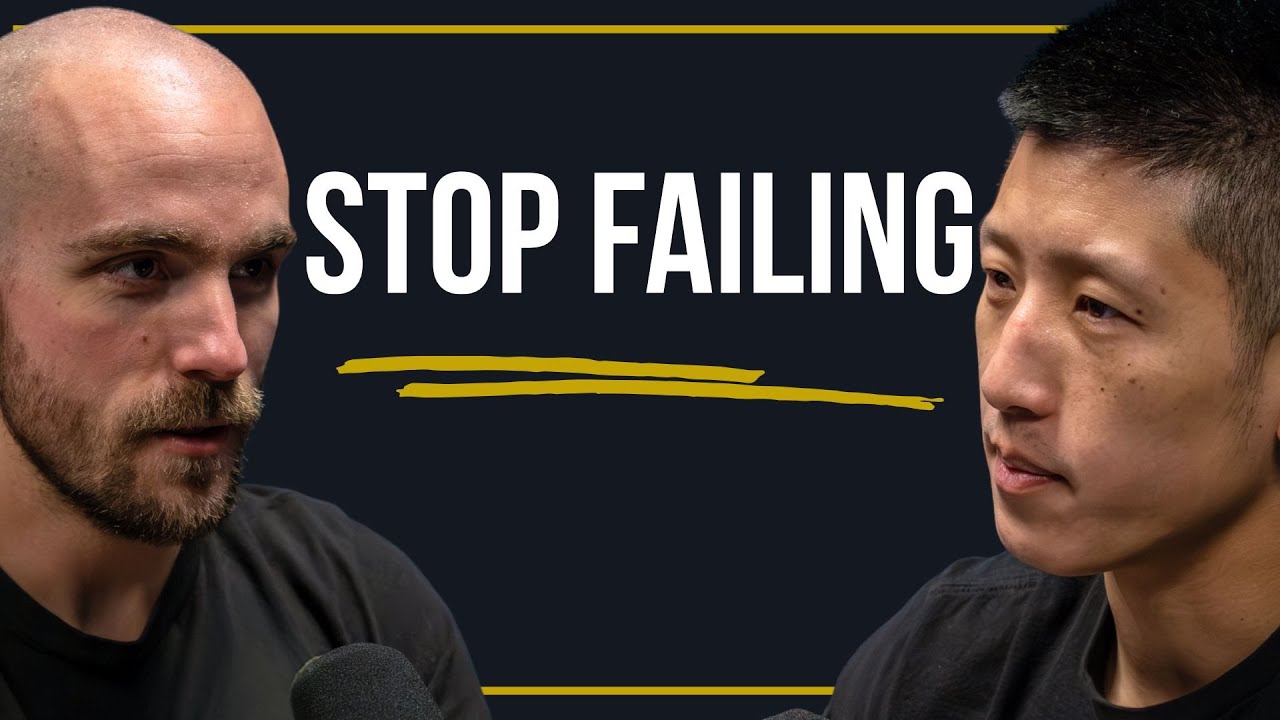
In this episode of the Kraken Power Podcast, Josko and Brandon break down the bare minimum plan — the chaos-proof system Kraken’s coaches use to keep clients consistent when life throws everything at them.
Why People Fall Off When Life Gets Busy
Most people don’t quit fitness because they’re lazy. They quit because they have an all-or-nothing mindset — and when life disrupts the “all,” they default to “nothing.”
Josko sees this pattern constantly at Kraken Fitness in Burnaby. Clients are experts at staying on track when everything is going well. Perfect week? Five workouts, 10,000 steps, protein at every meal. But the second life throws a wrench — work stress, sick kids, a bad week — everything collapses.
The 80-20 rule is part of the problem. People think they’re following it — 80% dialed in, 20% relaxed. But as Josko puts it, “Nature respects the 80-20 rule more than your mind does.” What feels like 80-20 is often closer to 50-50 or 30-70. The “relaxed” portion expands without anyone noticing.
The fix isn’t trying harder during the good weeks. It’s having a plan for the bad ones.
The Bare Minimum Plan: Sleep, Nutrition, and Movement
The bare minimum plan is Kraken’s framework for chaotic seasons. Instead of abandoning your routine when life gets busy, you dial it back to a sustainable floor — the smallest version of your plan that still keeps you moving forward.
Three pillars. Each one has a bare minimum. Hit those minimums and you’ll maintain your results, stay in the habit, and bounce back fast when things calm down. Skip them and you’re pushing a dead car uphill.
This isn’t settling for less. It’s the strategy that prevents starting over. Kraken’s coaches in Burnaby build bare minimum plans into every client’s program because everyone hits rough patches — the question is whether you have a system for them or not.
Sleep: The Non-Negotiable Floor
Seven hours. That’s the bare minimum for sleep, no matter what’s happening in your life. Kraken’s coaches treat sleep as the foundation everything else is built on — and it’s the first thing that falls apart when life gets stressful.
Brandon explains the biology: restful sleep regulates your emotions, helps you recover, and makes the next day genuinely easier. Cutting sleep to four or five hours doesn’t help you grieve, hustle through a crisis, or solve problems faster. It just makes you feel worse on top of whatever you’re already dealing with.
Josko puts it more directly: “Don’t feel so bad for yourself to the point where you’re sleeping three or four hours a day. Reality is you’re just going to feel worse.”
If you’re a Burnaby professional juggling kids, work, and stress — sleep is the last thing you should sacrifice. It’s the one lever that makes everything else work. This is why Kraken’s coaches start with sleep before touching nutrition or training. The Kraken Power Podcast talks about sleep so often that Josko and Brandon jokingly call it “the Vancouver sleep podcast.”
Nutrition: Protein First, Everything Else Second
When life gets chaotic, don’t try to track macros or follow a detailed meal plan. Just focus on protein. That’s the bare minimum nutrition strategy Kraken’s coaches recommend.
Brandon’s guideline is simple: make sure most of your plate is protein. Going to a restaurant? Pick the option with protein. Grabbing something convenient? Make sure it has protein. You don’t need to weigh food, count calories, or meal prep — just keep protein at the center of every meal.
This works because protein is the nutrient that preserves muscle, keeps you full, and prevents the worst damage during off weeks. If you’re eating 180 grams of protein normally and life gets hectic, dropping to 150 grams with protein-focused meals is fine. That’s still enough to maintain your results.
Josko also addresses comfort eating — because that’s what actually happens when things go wrong. People reach for pizza, poutine, ice cream. His advice isn’t to stop seeking comfort food. It’s to find a better version: frozen yogurt instead of ice cream, a balanced meal instead of takeout. “Don’t have the entire bucket. Just have a few scoops and then move on with life.”
The key: you don’t need the perfect diet during a hard week. You need enough protein to keep the wheels turning.
Fitness: Just Keep Moving
If you can’t get to the gym, walk. That’s the bare minimum for fitness when life is at its most chaotic, and Kraken’s trainers in Burnaby recommend it without hesitation.
A 30-minute walk before anyone else wakes up. A 10-minute walk during your lunch break. A walk after the kids go to bed. It doesn’t matter when — it matters that it happens.
Josko is clear about the science: “You’re not going to lose all of your muscle within a few weeks of not exercising.” What you will lose is the habit. And rebuilding a habit from zero takes far more energy than maintaining one at a lower intensity.
So instead of five workouts a week, do three. Instead of 10,000 steps, do 7,000. Instead of an hour at the gym, walk for 15 minutes. The consistency matters more than the volume.
Brandon adds a practical tip: walks fit anywhere in your day. Take a meeting on the phone while walking. Walk with a co-worker instead of sitting in the break room. It’s the easiest exercise to sandwich into a busy schedule, which is exactly why it works as the bare minimum.
The person who does 10 minutes of movement every day will see better results than the person who does a two-hour workout followed by six days of shame and guilt. Kraken’s coaches build this principle into every program — because eventually, every client hits a stretch where the gym isn’t possible. The question is whether they keep moving or stop completely.
The Car-Pushing Analogy
Brandon uses an analogy that sticks with Kraken’s clients: pushing a stalled car.
If your car breaks down and comes to a complete stop, getting it moving again takes massive effort. You’re pushing against inertia, straining, barely budging. But if you keep it rolling — even slowly — it takes almost nothing to maintain that momentum and eventually get it started again.
Fitness works the same way. Coming to a full stop — no workouts, no walks, no attention to food — means starting from zero. And starting from zero is where most people give up entirely. The bare minimum plan exists to prevent that dead stop.
“Keeping momentum trumps perfection every damn time,” Brandon says. Ten minutes of movement beats zero minutes plus guilt. 150 grams of protein beats zero attention to food. Seven hours of sleep beats five hours plus caffeine dependence.
The goal isn’t to be perfect during a hard stretch. The goal is to never let the car stop moving.
How to Build Your Own Bare Minimum Plan
Write it down before you need it. That’s the key — create the plan when things are calm so it’s ready when things aren’t.
Brandon recommends breaking it into the three pillars:
- Sleep: What’s your minimum? Seven hours is Kraken’s recommendation. Set a non-negotiable bedtime for chaotic periods.
- Nutrition: What’s your protein floor? Identify 3-5 easy, high-protein meals you can default to when cooking isn’t happening.
- Fitness: What’s the smallest movement you’ll commit to? A 10-minute walk? Three workouts instead of five? Pick something you’ll actually do.
Write it in a note on your phone. When life hits, open the note and switch to the plan — like switching to rest mode on an Oura Ring after a bad night of sleep. No decision fatigue, no guilt, no “I’ll get back on track Monday.” Just switch to the bare minimum and keep moving.
Kraken’s coaches in North Burnaby build this into onboarding because they know it’s coming. Every client hits a rough patch. The ones who have a written bare minimum plan bounce back in days. The ones who don’t often disappear for months.
FAQ
How long can you stay on a bare minimum fitness plan?
As long as you need to. The bare minimum plan isn’t a deadline — it’s a safety net. Kraken’s coaches have seen clients use it for a week during a family crisis and for a month during a career transition. The point is maintaining momentum until you’re ready to ramp back up.
Will I lose muscle if I stop going to the gym for a few weeks?
No. Research shows meaningful muscle loss doesn’t start until 3-4 weeks of complete inactivity. If you’re walking, eating protein, and sleeping well during that time, you’ll maintain most of your progress. The bigger risk is losing the habit, not the muscle.
What should I eat when I’m stressed and craving junk food?
Kraken’s coaches don’t say “stop eating comfort food.” They say find a better version. Frozen yogurt instead of ice cream, a protein-heavy meal instead of pure takeout. Have a few scoops, not the entire bucket. The goal is to not let one bad meal turn into a bad week.
Is walking really enough exercise during a busy period?
Yes. Walking maintains your movement habit, supports fat loss, improves sleep quality, and reduces stress. Kraken’s trainers in Burnaby recommend a 10-30 minute dedicated walk daily as the fitness bare minimum. It’s not optimal — it’s sustainable, and sustainable beats optimal every time.
How do I get back to my full plan after a rough stretch?
If you stayed on the bare minimum, getting back is easy — you never fully stopped. Add one thing back at a time: return to your normal workout frequency first, then tighten nutrition, then push step count back up. Kraken’s coaches call this “ramping up” and it typically takes one to two weeks.
Ready to Start?
If you’ve been stuck in the start-stop cycle and want a coach who builds plans for real life — not just perfect weeks — Kraken offers a free trial week at their private gym in Burnaby. No commitment, no pressure. Just show up and see if it fits.
Listen and Watch
Catch the full conversation on the Kraken Power Podcast — available on YouTube, Spotify, Apple Podcasts, and all major podcast platforms.
YouTube: https://youtu.be/2NPjZYwg-yc
Spotify: https://open.spotify.com/episode/0IyN6VnPJacyWLlMpwefAH?si=MHVI7VUuRnStJgcIdWb8lA
Apple Podcasts: https://podcasts.apple.com/au/podcast/why-you-cant-stay-consistent-and-how-to-fix-it-ep-14/id1769000945?i=1000739292721